Brixton market rubbish clearance tips for traders
Posted on 07/05/2026
Trading at Brixton Market is lively, fast-moving, and wonderfully chaotic in the best way. But once the customers have gone, the crates are stacked, and the last bag has been tied off, there is one part of the day that can quickly become a headache: rubbish. This guide to Brixton market rubbish clearance tips for traders is written for stallholders, traders, market managers, and anyone trying to keep a pitch clean without slowing down the whole operation.
Get rubbish clearance right and the rest of the day tends to run more smoothly. Get it wrong, and you end up with blocked walkways, unpleasant smells, missed collections, and that familiar end-of-day scramble. Truth be told, it does not take much for a tidy stall to feel messy. A few cardboard boxes, some food waste, a broken pallet, and suddenly the whole area looks rough around the edges.
Below, you'll find practical steps, local-minded advice, compliance considerations, and real-world tips that help traders handle waste in a calmer, cleaner way. If you also need support with larger clearances beyond the market, you may find our rubbish removal London service overview useful, along with our commercial waste collection page for routine business waste handling.

Why Brixton market rubbish clearance tips for traders Matters
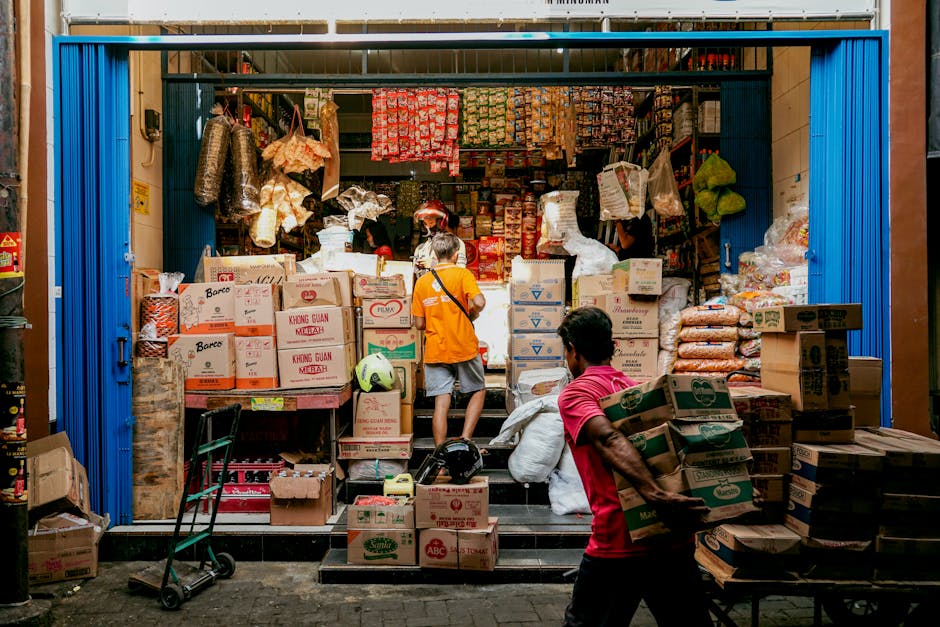
Brixton Market has its own rhythm. It can be busy at lunchtime, quieter mid-afternoon, then suddenly full again when people drift through for food, produce, fashion, vinyl, or a quick browse. That constant movement means waste builds up in bits and pieces rather than in one neat pile. A paper box here, plastic film there, a tray of spoiled produce, broken packing straps, an empty container. Before long, you've got clutter that affects how your stall looks and how easy it is to work.
Good rubbish clearance matters because market trading is not like working from a sealed warehouse. You are often dealing with shared access routes, close neighbours, limited storage, and customers walking right past the back end of your setup. One untidy pitch can make the whole row look less welcoming. And yes, customers notice. Maybe not consciously, but they do.
There is also the practical side. Waste can attract pests, create slips and trips, and slow down loading or breakdown at the end of the day. If you have ever tried to break down a stall while balancing a wet cardboard box and a wobbling crate, you already know the feeling. Not glamorous. Not fun.
For traders who want a more structured approach to keeping the business side tidy, our commercial clearance service information can help when the waste goes beyond normal daily bags and boxes. And if your operation includes office space, storage, or back-of-house areas, our office clearance page is worth a look too.
How Brixton market rubbish clearance tips for traders Works
At its simplest, market rubbish clearance is about separating, storing, and removing waste in a way that fits the pace of trading. The best systems are not fancy. They are just easy to follow when you are busy, tired, or working with your hands full. That matters more than people think.
A typical trader-friendly approach usually follows this pattern:
- Sort waste as you go. Keep cardboard, food waste, recyclables, and general rubbish apart where possible.
- Contain it properly. Use bags, crates, bins, or stackable boxes so waste does not spread across your pitch.
- Move it to a holding point. If the market has a shared waste area, take rubbish there at the right time, not whenever it becomes awkward.
- Use the right collection method. That may mean a market-approved collection system, licensed waste contractor, or regular business waste pickup.
- Clear your pitch fully at close. Do a final sweep so you are not leaving small bits behind that accumulate over time.
In real life, the process often depends on the type of trader you are. A food trader will have more organic waste, packaging, and cleaning waste. A clothing trader may produce mostly cardboard, plastic wrap, and damaged hangers. A produce stall might need frequent bin changes and a strict routine for spoilage. Different trades, same goal: keep the stall operational and the market pleasant.
If you need help with heavier uplift, awkward bulky waste, or end-of-lease site clearing, our builders waste removal and bulky waste collection pages explain how larger items are handled in practice.
Key Benefits and Practical Advantages
There are a few clear upsides to getting rubbish clearance right at Brixton Market, and they are not just about appearances.
- Cleaner trading space: Less clutter means more room to display stock and move around safely.
- Better customer impression: A tidy pitch feels more professional and cared for.
- Faster close-down: If waste is sorted during the day, pack-up takes less time at the end.
- Lower contamination risk: Keeping food waste away from clean stock reduces cross-contamination risks.
- Fewer pest issues: Covered waste and timely removal help reduce attraction for rodents or insects.
- Less stress: You are not dealing with a mountain of rubbish after a long day on your feet.
There is a quieter benefit too: better working habits. Once a trader has a simple routine, staff tend to follow it automatically. That saves arguments, saves time, and saves the awkward "who left this here?" conversation. We've all seen that one bag somehow become everyone's problem.
Practical takeaway: the best rubbish clearance system is the one that works on your busiest day, not your calmest one. If it only works when things are slow, it will fail when Brixton gets properly busy.
For traders looking to improve the back-end side of their operation, our warehouse clearance and garage clearance services can also be useful when storage areas start collecting old packaging, broken fixtures, or unused equipment.
Who This Is For and When It Makes Sense
This guidance is for traders who want a better system for waste, not just a last-minute fix. It is especially useful if you:
- run a food, drink, produce, or takeaway stall
- handle high volumes of packaging or cardboard
- share collection points with other traders
- have limited back-of-house space
- need to meet market rules or site housekeeping expectations
- want to reduce end-of-day clean-up time
- are preparing for a busy season, event, or weekend rush
It also makes sense if you are new to trading. First weeks at a market can be a blur. You are learning customer flow, stock rotation, pricing, cash handling or card terminals, and all the small details that nobody tells you about. Rubbish management can slip down the list until it becomes a problem. Better to set the routine early.
This is the kind of advice that helps whether you are a one-person setup or a team with two or three staff. The scale changes, but the principle stays the same: keep waste under control before it starts controlling you.
Step-by-Step Guidance
If you want a straightforward system, use this. It is simple, but that is the point.
1. Start with a waste sort before trading begins
Before the first customer arrives, decide where each type of waste will go. Put a bin or bag in a place that does not block movement. If you sell food, separate food waste from packaging. If you sell mixed goods, keep cardboard and soft plastic apart where you can. This early decision saves time later.
2. Set up a visible waste point behind the stall
Have one clearly marked area for waste holding. It should be easy for staff to reach but not visible in a messy way from the customer side. A neat rear setup usually keeps everyone calmer. A bit of order goes a long way.
3. Break down packaging as soon as it appears
Flatten boxes immediately. Cut tape where needed. Nest smaller items inside larger containers if safe. Cardboard takes up far less room when it is flattened, and that can make the difference between a tidy pitch and a pile-up by mid-morning.
4. Keep wet and dry waste apart
Wet waste turns unpleasant quickly. It smells, leaks, and makes cardboard useless. If you are handling chilled stock, produce trimmings, or food prep waste, give that stream extra attention. One damp bag can ruin the whole holding area. Not ideal, frankly.
5. Do a mid-shift sweep
Do not wait until closing time. A short sweep around lunchtime or during a quieter half-hour helps stop waste building up. Even two minutes can change the feel of a stall. You know that moment when the floor starts looking sticky and the bins are just a bit too full? That is your cue.
6. Clear responsibly at the end of the day
At close, remove all waste from display areas, under tables, and from behind the pitch. Check the ground for lids, tape, fruit skins, broken ties, receipt slips, and other small bits that somehow escape attention. Then make sure the waste goes to the correct collection point or contractor pickup area.
7. Reset for the next trading day
Leave the stall ready. Fresh liners in bins, empty containers back in place, and a clean floor if your setup allows it. It sounds obvious, but after a long day the temptation is to just shut down and go home. Fair enough. Still, ten minutes of reset can make tomorrow far easier.
Expert Tips for Better Results
Here are the little things that separate a decent waste routine from a genuinely good one.
- Use colour-coded liners or labels. Staff spot mistakes faster when the system is visual.
- Keep a spare bag roll close by. Running out of liners at 2 pm is the kind of nuisance nobody enjoys.
- Place bins where they are used. If a bin is awkward to reach, people will not use it properly.
- Train new staff on waste as part of opening routine. Not as an afterthought.
- Schedule heavy clearances before peak trading or immediately after close. The timing matters more than people think.
- Store reusable crates neatly. Crates tipped sideways look messy and can catch feet.
- Keep odour control simple. Clean containers, tied bags, and frequent removal often work better than fancy products.
One useful habit is to treat waste like stock: something you manage continuously, not something you deal with once it becomes embarrassing. That mindset shift is small, but it works.
If you need support with regular business waste or more complex mixed loads, our office rubbish removal and furniture clearance pages may help if your trading setup includes old counters, shelving, or internal fittings that need removing.
Common Mistakes to Avoid
Most waste problems at market stalls are not caused by one huge mistake. They are caused by small habits repeated all week. The good news is they are easy enough to fix once you see them.
- Letting waste pile up behind the stall. It makes access harder and usually creates more mess.
- Mixing food waste with dry packaging. Once contamination starts, recycling becomes much less useful.
- Overfilling bags. Overstuffed bags split, slip, and look untidy. Also, they are miserable to carry.
- Ignoring small litter. Tickets, labels, tape, and clips add up fast.
- Using the wrong container size. Too small means overflow. Too big means waste sits around too long.
- Leaving disposal decisions until close. That is when everyone is tired and likely to miss things.
- Assuming someone else will clear it. Shared spaces only work when everyone takes responsibility.
A classic example: a trader has a good morning, gets busy, and leaves a stack of flattened boxes beside the stall "just for a minute." By mid-afternoon, the stack has shifted, rain has started, the cardboard is soft at the edges, and customers have to step around it. Small slip, bigger headache.
So yes, this is partly about discipline. But it is more about designing the stall so the right thing is easy to do.
Tools, Resources and Recommendations
You do not need a complicated setup, but the right tools make rubbish clearance faster and less annoying. These are the basics worth thinking about:
- Heavy-duty bin bags: Choose a size and strength that suits your waste stream.
- Stackable crates: Good for separating reusable packaging from waste.
- Flat-pack cardboard cutters or safe box knives: Helpful for breaking down packaging efficiently.
- Clearly labelled bins: Especially useful where staff rotate or multiple people work the pitch.
- Spill kits and cleaning cloths: Handy for food traders or any stall handling liquids.
- Reusable tarps or covers: Useful if waste sits briefly outdoors before collection.
For traders who need broader support with clearances beyond daily waste, our house clearance page can be useful for larger mixed items, while our same day rubbish removal service is designed for urgent situations where waste cannot wait until tomorrow.
Also worth keeping an eye on your market's own housekeeping guidance. Some markets use shared bin systems, timed collection windows, or specific back-of-house rules. Those details matter. If you are unsure, ask early rather than making assumptions.
Law, Compliance, Standards, or Best Practice
Waste handling in the UK sits within a framework of legal duties and local expectations, and traders should be careful not to treat it casually. You do not need to become a waste-law specialist, but you do need to know who is responsible for what, and what happens to your waste once it leaves the stall.
In practical terms, that usually means using lawful disposal routes, keeping waste under control, and making sure any contractor you use is appropriate for the job. For commercial waste, it is sensible to work with licensed, reputable providers and keep records where needed. If you produce food waste or other potentially sensitive waste streams, you should follow the relevant handling and hygiene expectations for your type of business.
Best practice usually includes:
- keeping waste contained and secure
- not leaving bags where they block routes or create hazards
- separating recyclable waste where practicable
- avoiding fly-tipping or informal disposal arrangements
- following market rules and site instructions carefully
Because rules and requirements can change depending on the location, waste type, and contractor arrangement, it is sensible to confirm the details that apply to your own stall. If in doubt, ask the market manager or your waste provider directly. That is the boring answer, but it is the right one.
For traders who want a clearer process for recurring collections, our waste collection information explains the practical side of arranging regular pickups, while shed clearance and loft clearance may be useful if you are also clearing stored stock or old equipment off-site.
Options, Methods, or Comparison Table
There is no single right method for every trader. The best option depends on your waste volume, trading hours, and the layout of your pitch. Here is a simple comparison to help you decide what fits best.
| Method | Best for | Pros | Watch-outs |
|---|---|---|---|
| On-the-spot sorting | Small to medium stalls | Fast, simple, low-cost | Needs discipline and staff buy-in |
| Shared market waste points | Traders in managed market spaces | Convenient, centralised, easy to coordinate | Can get congested at busy times |
| Scheduled commercial collection | Regular waste volumes | Reliable, scalable, less daily fuss | Needs planning and correct container use |
| One-off clearance | Seasonal reset, refurb, stock change | Great for bulky or accumulated waste | Not a replacement for daily control |
If your stall mostly produces packaging and light waste, a strong internal sorting routine may be enough. If you handle food prep or bulky stock changes, a scheduled collection or occasional clear-out is usually more efficient. In other words: match the method to the mess, not the other way round.
Case Study or Real-World Example
A small independent trader at a busy London market, selling wrapped goods and seasonal stock, was struggling with end-of-day clutter. Not dramatic clutter, just enough to make breakdown slower than it needed to be. Cardboard was stacking up beside the stall, plastic wrap was ending up in mixed bags, and the rear area looked untidy by late afternoon.
The fix was not complicated. They started flattening boxes as soon as stock was unpacked, kept a separate bag for soft packaging, and added one short mid-shift clear-up around the quieter part of the day. They also moved the waste point a little closer to the back of the pitch, which sounds tiny but made a real difference. Less carrying. Less dropping. Less excuse, basically.
Within a couple of weeks, pack-down became faster and the stall looked neater throughout the day. Customers were still there for the product, of course, but the whole space felt more considered. That matters in a market environment, where first impressions happen in seconds and everybody is walking past everything.
The lesson is simple: you rarely need a heroic clean-up. You need a repeatable routine that suits your actual trading pattern.
Practical Checklist
Use this as a quick end-of-day or opening checklist. It is the sort of thing you can glance at and actually use, rather than something that ends up buried in a folder somewhere.
- Have all waste bags and liners been set out before trading starts?
- Are cardboard and packaging being flattened as you go?
- Is food waste separated from dry waste where relevant?
- Are bins positioned where staff can reach them without blocking customers?
- Has the stall been swept or wiped down at least once during the shift?
- Are full bags tied securely and removed before they overflow?
- Have all breakable or sharp items been disposed of safely?
- Have all waste items been taken to the correct collection point?
- Is the rear area clear of loose packaging, tape, and small litter?
- Is the stall reset for tomorrow's trade?
If you can tick most of those boxes consistently, you are already ahead of a lot of traders. Seriously. The difference is often just routine.
Conclusion
Keeping on top of waste at Brixton Market is not just about being tidy. It is about protecting your space, saving time, reducing stress, and making trading feel more professional every single day. The best Brixton market rubbish clearance tips for traders are the practical ones: sort waste early, clear it regularly, use the right containers, and build a routine that works even when the market is full and your feet are tired.
Small habits matter here. A flattened box, a tied bag, a quick sweep, a cleaner back area. Those little actions add up fast, and they make the whole day easier. If you are dealing with regular commercial waste, bulky stock, or a one-off clear-out around your stall or storage space, it is worth getting the right support in place rather than letting rubbish become part of the furniture.
Get a free quote today and see how much you can save.
And if you take one thing from this guide, let it be this: a clean stall is not just nicer to look at, it helps the whole trading day feel more in control. That's worth keeping hold of.