Recycling and reuse options after Lambeth clearance jobs
Posted on 09/09/2026
Recycling and Reuse Options After Lambeth Clearance Jobs
After a clearance job, the real work often starts when the van pulls away. You are left with a mixed pile of furniture, packaging, wood, metal, textiles, electricals, and bits that could still be useful. That is where recycling and reuse options after Lambeth clearance jobs become genuinely valuable. Done well, they can reduce landfill, lower disposal costs, and give perfectly usable items a second life. Done badly, they become another stressful task on an already long to-do list. Let's make it simpler.
Whether you have just cleared a flat, emptied an office, sorted a loft, or wrapped up a bigger commercial project, the best next step is not "throw everything away." It is to separate what can be reused, what can be recycled, and what needs specialist handling. In Lambeth, where space is tight and clearance jobs often happen in a hurry, that small bit of planning can make a surprisingly big difference.
Why Recycling and Reuse Options After Lambeth Clearance Jobs Matters
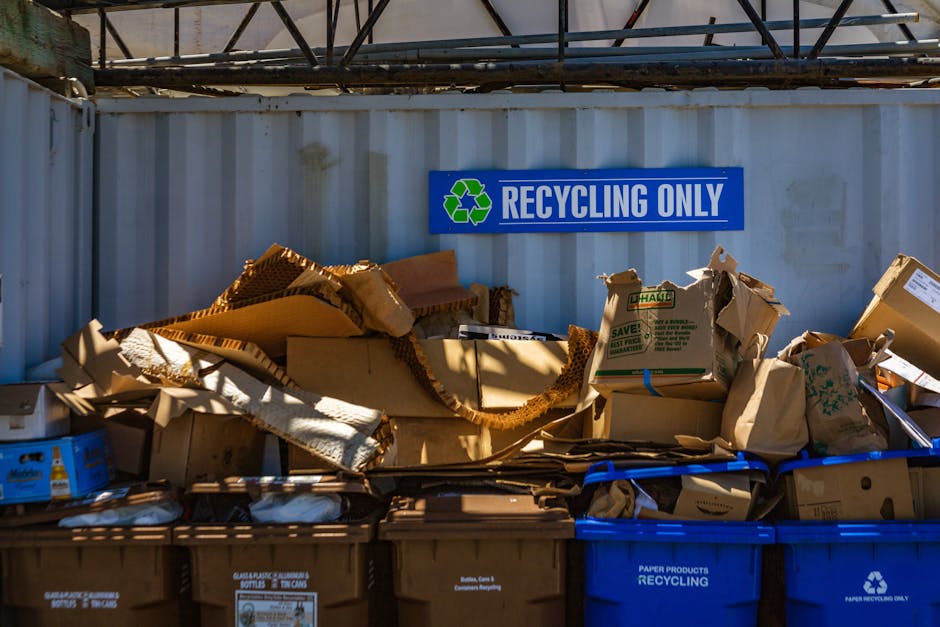
Clearance work is rarely neat. One room contains furniture in decent shape, another has damaged items, and somewhere there is a box of cables you have not looked at since 2017. If you treat everything as general waste, you lose value and create unnecessary disposal pressure. If you sort carefully, you can recover usable materials and help keep more out of landfill.
In practice, this matters for three reasons. First, it is better for the environment. Second, it can make clearance more efficient and sometimes cheaper. Third, it helps you stay organised when you are dealing with a home move, end-of-tenancy clean, office strip-out, probate clearance, or renovation waste. To be fair, that last one is often reason enough.
There is also a local angle. In a busy borough like Lambeth, waste streams are mixed and storage space is limited, so clear decisions need to happen quickly. If you already know what can be reused, recycled, donated, or separated for specialist disposal, the whole job feels less chaotic. A little structure goes a long way.
Key point: after a clearance, the best outcome is not just "empty space." It is useful space created with the smallest possible waste footprint.
If you want the bigger picture on responsible disposal across the borough, it can help to review the principles set out on recycling and sustainability and the practical approach described on waste clearance in Lambeth.
How Recycling and Reuse Options After Lambeth Clearance Jobs Works
The process is usually straightforward, even if the actual pile of items looks a bit intimidating at first. The idea is to separate materials into different routes before they are loaded or immediately after collection. That means reusable items are kept separate from recyclables, and recyclables are kept separate from residual waste.
Most good clearance operators will make a quick on-site assessment. They look at the condition of furniture, whether appliances are complete and safe, and whether materials are worth sorting for recycling. In some cases, items are diverted for reuse; in others, they are dismantled so materials like metal, untreated wood, cardboard, and certain plastics can go to the right facility. Simple enough on paper. In real life, not every chair is savable, obviously.
The main thing to understand is this: reuse comes before recycling. If an item can still do a job, it should usually be reused rather than broken down. Recycling is the next best route when reuse is not realistic. Only after that should you think about disposal.
For example, after an office clearance, desks, shelving, filing cabinets, and chairs may be suitable for reuse if they are intact. Electrical items need more care, but some can be tested, refurbished, or stripped for parts. After a house clearance, good-quality tables, lamps, books, kitchenware, and textiles may have a second life. Garden waste is different again, and a separate collection route is often more practical; you can see that approach in the local garden waste removal service.
A sensible clearance plan usually follows these steps:
- Identify items that are still usable.
- Separate recyclable materials from mixed waste.
- Set aside anything requiring specialist handling, such as appliances or bulky electricals.
- Confirm what can be donated, refurbished, or dismantled.
- Send the remainder to lawful disposal routes.
If the clearance is large or time-sensitive, a structured service such as waste disposal in Lambeth or rubbish collection in Lambeth can help keep sorting practical rather than overwhelming.
Key Benefits and Practical Advantages
The most obvious benefit is environmental. Reuse extends the life of products, and recycling reduces the need for raw material extraction. But the everyday benefits are what usually matter most to homeowners, landlords, and businesses.
- Less waste sent to landfill: useful items stay in circulation longer.
- Potential cost savings: items diverted for reuse or recycling may reduce the amount of residual waste.
- Better space management: less clutter in skips, vans, and storage areas.
- Cleaner handovers: especially useful for end-of-tenancy, probate, and office moves.
- Improved reputation: particularly for landlords, agents, and businesses that care about responsible handling.
There is also a less obvious advantage: peace of mind. When you know items have been handled properly, the whole clearance feels more settled. That matters. Anyone who has ever stared at a hallway full of mixed rubbish at 8am on a Tuesday will know the feeling.
If your clearance includes furniture, the decision to reuse can make an even bigger difference. Reusing a solid wardrobe or table is nearly always preferable to breaking it down immediately. For larger item streams, have a look at furniture removal in Lambeth and furniture disposal in Lambeth to understand the difference between moving, rehoming, and final disposal.
Who This Is For and When It Makes Sense
This topic is relevant to more people than you might think. In our experience, it comes up in all sorts of everyday situations, not just big commercial projects.
Homeowners and tenants often need help after a move, renovation, bereavement clearance, or a long-overdue loft tidy-up. Reuse options are especially helpful when items are still in fair condition but no longer needed in the home.
Landlords and letting agents benefit from quicker turnaround and lower waste volumes. A clear plan for reuse can make a property easier to re-let without filling skips with items that could have been passed on.
Offices and commercial premises often generate desks, chairs, IT peripherals, shelving, and packaging. After an office clearance, some items may still be suitable for internal reuse, donation, or resale. If that sounds familiar, the dedicated office clearance service and commercial waste removal in Lambeth are worth reviewing.
Builders and refurb teams also need a plan. Not all builders' waste is recyclable, but timber, metal, clean cardboard, and some inert materials can often be separated. For that sort of project, the guidance on builders waste disposal in Lambeth can be a useful reference point.
It makes sense whenever the clearance contains a mix of reusable, recyclable, and non-recyclable items. The more mixed the load, the more valuable a sorting plan becomes.
Step-by-Step Guidance
Here is the practical version. No jargon, no fluff.
- Walk the space before anything is moved. A quick room-by-room check helps you spot reusable items before they disappear into a general pile.
- Group items by condition. Keep "good enough to pass on" separate from "repair needed" and "end of life." That tiny bit of sorting saves time later.
- Pull out specialist items early. White goods, TVs, monitors, batteries, and certain appliances need separate attention.
- Protect reusable items during handling. Don't stack heavy waste on top of a table that could still be used. It sounds obvious. People still do it.
- Choose the right route for each stream. Reuse, recycling, donation, refurbishment, or disposal should each have their own path.
- Document what is leaving. This is especially helpful for landlords, managers, and businesses that need a clean record of what was removed.
- Confirm final destination where needed. If you are dealing with compliance-sensitive waste, ask how it is being handled.
A small but useful habit: take photos before and after. Not because everything needs to become a project, but because it helps with accountability and follow-up. It also makes disputes less likely later on.
If you are coordinating a larger job, it can help to compare options before booking. The pricing guidance on pricing and quotes and the service overview at services overview can help you understand what is included.
Expert Tips for Better Results
Small decisions make a big difference here. A little discipline at the start saves a lot of mess at the end.
- Keep reusable items clean and dry. A damp sofa or water-stained book collection is a lot harder to pass on. That bit matters more than people expect.
- Separate mixed materials early. A piece of furniture with metal legs and wooden panels is easier to process if it is already sorted conceptually.
- Think in layers. What can be reused whole? What can be refurbished? What can be recycled as a material?
- Be realistic about condition. "Probably useful" is not the same as actually fit for reuse.
- Plan around access. Narrow stairwells, parking limits, and lift access can affect how long sorting takes, especially in central parts of Lambeth.
One practical tip that saves endless back-and-forth: create a simple three-pile system. Keep one pile for reuse, one for recycling, and one for disposal. Even if the piles are only mental at first, the structure helps. You will notice the pace picks up once the clutter stops blending together.
For appliances and larger domestic items, the dedicated white goods and appliance disposal in Lambeth page is useful because these items often need more care than ordinary household rubbish. Same with old furniture; the furniture removal service can be a better fit than treating everything as mixed waste.
And if a clearance needs to happen fast, it is worth checking the practicalities of same-day rubbish collection in Lambeth. Speed is useful, but only if the sorting still makes sense.
Common Mistakes to Avoid
Most problems with post-clearance recycling happen because people are trying to move too quickly. Understandable, yes. Ideal? Not really.
- Throwing everything into one pile. Once materials are mixed, reuse opportunities drop fast.
- Ignoring minor damage. A loose hinge or missing cushion does not always kill reuse value, but if you do not check early, the item may be lost to disposal unnecessarily.
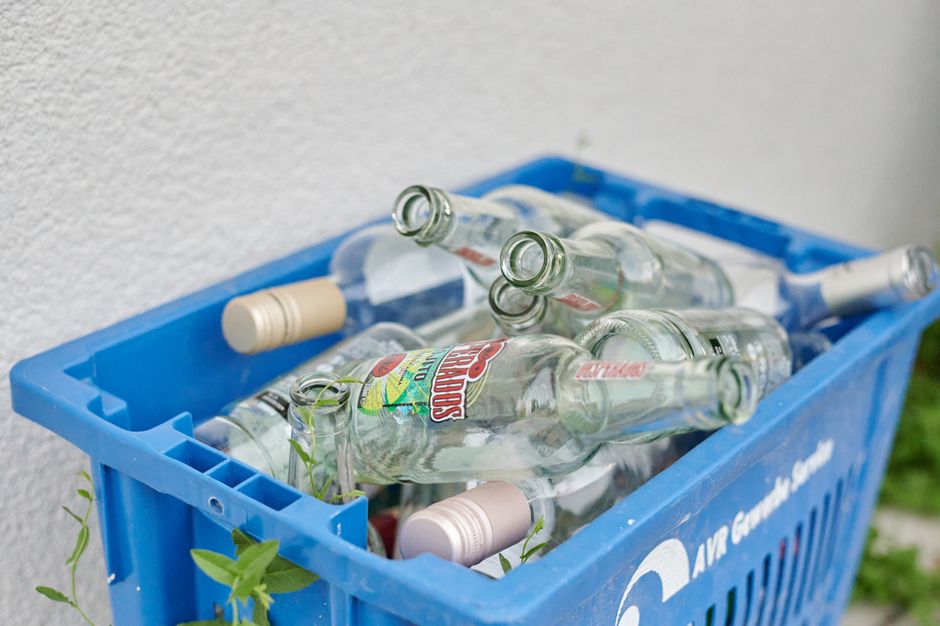
- Forgetting electricals. Old monitors, printers, kettles, and cable bundles need specific handling rather than general skipping.
- Assuming donation is always possible. Donation routes usually depend on condition, cleanliness, and what the receiving organisation can accept.
- Not asking about carrier compliance. If a contractor is taking waste away, you want confidence that they operate lawfully and responsibly.
Another common one: leaving decision-making until the van arrives. That usually ends with rushed choices and more waste than necessary. Not catastrophic, but a bit avoidable.
For additional trust and due diligence, it is sensible to review waste carrier licence and compliance and the company's approach to insurance and safety. Those details may not feel exciting, but they matter.
Tools, Resources and Recommendations
You do not need a warehouse of fancy tools to do this well. Most of the work is organisation, not equipment. Still, a few simple things help a lot.
- Labels or coloured tape: useful for marking reuse, recycle, and dispose categories.
- Camera on your phone: a quick photo record is often enough.
- Moving blankets and straps: handy if reusable furniture needs to be protected before collection.
- Basic cleaning kit: a cloth, disinfectant, and bin bags can make pass-on items more presentable.
- Checklist note on your phone: surprisingly effective when you are juggling a lot of items at once.
For local readers who want a fuller understanding of the service landscape, the recycling and sustainability page is a useful starting point, and the general waste disposal in Lambeth guidance can help with the practical side.
If your job involves a property transition, the local blog content can also help you put the clearance in context. For example, real estate transactions in Lambeth is relevant when clearance is tied to sales or lettings, while local insights on living in Lambeth may be useful if you are moving within the area and need a fresh start with less clutter.
Law, Compliance, Standards, or Best Practice
When clearance jobs involve transporting waste, there is a compliance side you should not gloss over. The exact obligations can vary depending on the type of material, who is handling it, and where it is going, so it is wise to treat this as a best-practice area rather than guesswork.
In plain English, good practice usually means this: waste should be collected, moved, and processed by a properly authorised operator; hazardous or specialist items should be separated; and reusable items should not be mixed with waste unnecessarily. Businesses, landlords, and managing agents may also need basic records of what was removed and how it was handled.
For household clearances, the rules are less formal from the customer side, but due care still matters. For commercial jobs, it matters even more. If a load includes office IT equipment, white goods, or items with electrical components, ask how those streams are being handled. That is not being fussy. It is sensible.
Best practice also means protecting workers and occupants during the clearance. Good access planning, safe lifting, and clear separation of sharp or heavy materials reduce risk. If you are unsure, the most practical route is usually to choose an experienced operator that already handles these issues regularly.
For anyone wanting a straightforward starting point, the pages on licensing and insurance for professional rubbish removal and payment and security offer useful reassurance about how legitimate services should operate.
Options, Methods, or Comparison Table
After a clearance, you usually have four main routes. Each one has a place, depending on condition, value, urgency, and volume.
| Option | Best for | Typical advantage | Watch out for |
|---|---|---|---|
| Reuse | Furniture, decor, books, usable household items, some office equipment | Highest value retention and lowest waste | Items must be clean, functional, and presentable |
| Recycling | Cardboard, metals, clean wood, some plastics, suitable electricals | Reduces residual waste and supports material recovery | Mixed loads can reduce recycling quality |
| Refurbishment | Items needing light repair or testing before use | Can extend life of higher-value items | Not all items are worth repairing |
| Final disposal | Damaged, contaminated, or non-recoverable items | Provides a lawful end point | Should be the last resort, not the default |
In a typical Lambeth clearance, the best result usually comes from using more than one route. A wardrobe might be reused, broken packaging recycled, and a broken lamp sent for specialist handling. That mix is normal. In fact, it is usually a sign the job was handled properly.
Case Study or Real-World Example
Here is a realistic example. A small flat in Lambeth was being cleared after a long tenancy. The main challenge was not volume; it was variety. There were two bookcases, a sofa, a coffee table, a box of kitchenware, an old printer, and a stack of flattened cardboard from a recent move.
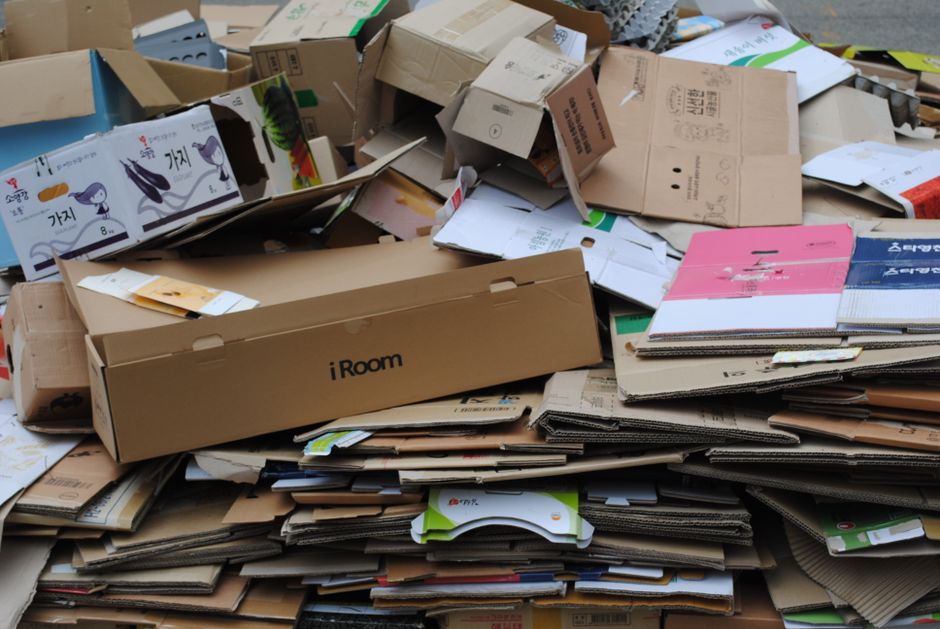
Instead of sending everything away as mixed waste, the items were divided first. The bookcases and coffee table were checked for structural condition. The kitchenware was sorted into usable and chipped items. The printer and cables were separated as electricals. Cardboard was kept clean and dry so it could be recycled more easily. The sofa was assessed separately because it was not in good enough condition for reuse.
The result was simple but useful: fewer items required final disposal, the clear-out felt more controlled, and the space was made ready for cleaning the same day. Nothing dramatic. Just a tidy, sensible process that saved effort later on.
That is the real value of recycling and reuse after a clearance job. It is not about making the job perfect. It is about making it smarter, cleaner, and less wasteful.
Practical Checklist
Use this before and during your next clearance:
- Walk the property and identify reusable items first.
- Separate furniture, electricals, packaging, textiles, and general waste.
- Keep reusable items clean, dry, and protected.
- Check whether appliances need specialist handling.
- Confirm what can be recycled versus what must be disposed of.
- Photograph items if you need a record for a landlord, agent, or business file.
- Ask about carrier compliance and insurance where appropriate.
- Use a service that can cope with mixed waste streams.
- Do not leave decisions until the end of the job.
- Review the final pile before it leaves the property.
If you are still deciding which clearance route is right, the general house clearance service can be useful for domestic jobs, while loft clearance in Lambeth is often the better fit when the challenge is long-stored items rather than everyday rubbish.
And if the job is commercial or time-sensitive, the guidance on common mistakes when booking waste removal is worth a quick read before you commit. Saves headaches. Honestly, a lot of them.
Conclusion
Recycling and reuse after Lambeth clearance jobs is not just a nice extra. It is a practical way to reduce waste, improve efficiency, and get more value from the items already in circulation. Once you start looking at clearance that way, the whole process becomes less about emptying a space and more about handling it intelligently.
The simple rule is this: reuse first, recycle second, dispose last. If you keep that order in mind, most clearance jobs become easier to manage and far less wasteful. You do not need a complicated system. Just a sensible one.
Get a free quote today and see how much you can save.
And if you are approaching a clear-out right now, do not rush past the useful stuff. A little sorting today can make tomorrow feel a lot lighter.